Washington state port's years-in-the-making project poised to start
11/16/2026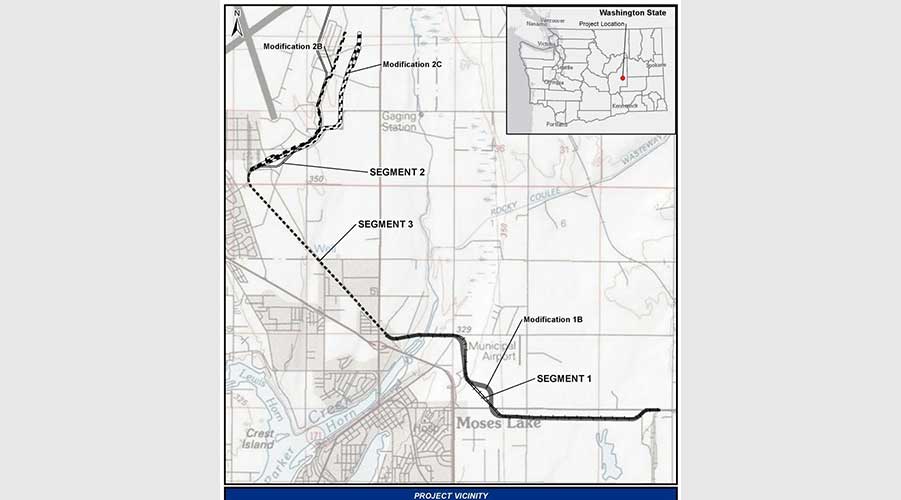
By Jeff Stagl, Managing Editor
All the pre-construction elements are lined up and ground soon will be broken in Washington state for the Port of Moses Lake's more than $60 million Northern Columbia Basin Rail Project.
The effort that began in 2009 to gain direct rail access and a BNSF Railway connection at the port is expected to reach the construction stage in early December. In October, port commissioners approved a $31.75 million contract with Martinus Rail LLC to serve as the contractor for the project's first phase.
The work includes the construction of a 4.7-mile rail spur and improvements to 2.7 miles of existing track. Building up the trackbed is a significant portion of the project, too.
"There is lots of earthwork involved," says Anne Reese, senior director of project and construction management services for Rock Project Management Services, which serves as the project's construction manager.
Other portions of work involve a new turnout; site demolition; new embankments and culverts; new crossing signals; underground utilities; and paving.
To be completed in February 2028, the project's first phase also includes upgrades to three crossings and the installation of new ties and rail, says Reese. The project will be funded by a mix of local, state and federal dollars.
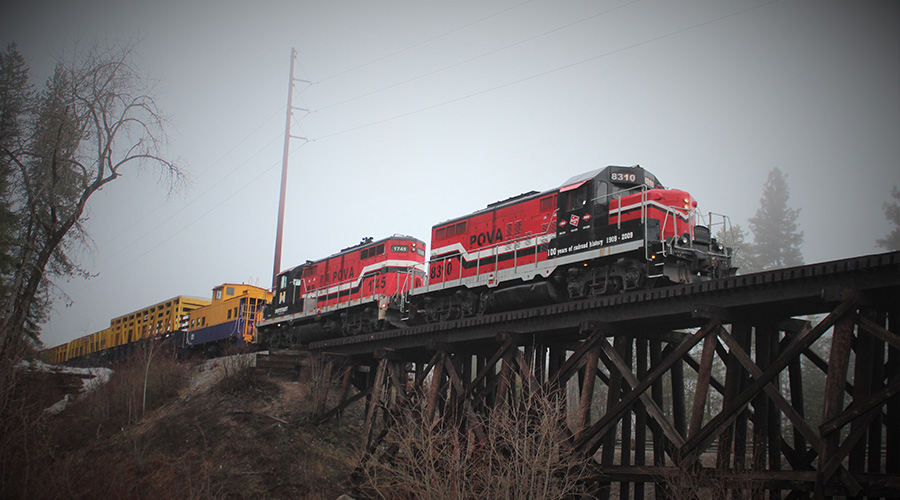
The port aims to restore rail service lost in 2009 and connect points in the area — including 1,250 acres of industrial land — to rail. The project is designed to reconnect the port and nearby Grant County International Airport to BNSF via the Columbia Basin Railroad (CBRW), which is owned by Jaguar Transport Holdings. CBRW operates more than 200 miles of track between Moses Lake and Connell, Washington, and interchanges with BNSF.
The project will help drive economic development efforts in the area, says Richard Hanover, the port's director of business development.
"The big advantage for the port is business development. We can check off the box on rail," he says.
A major hurdle that needed to be cleared prior to reaching the construction stage was the project's environmental assessment, says Director of Port Facilities Milt Miller. The assessment was originally completed in 2016, but then "got stale" as work on the project dragged on for several years, he says.
"It lapsed for more than five years. We deal with the federal government and had to issue a supplemental environmental assessment," Miller says.
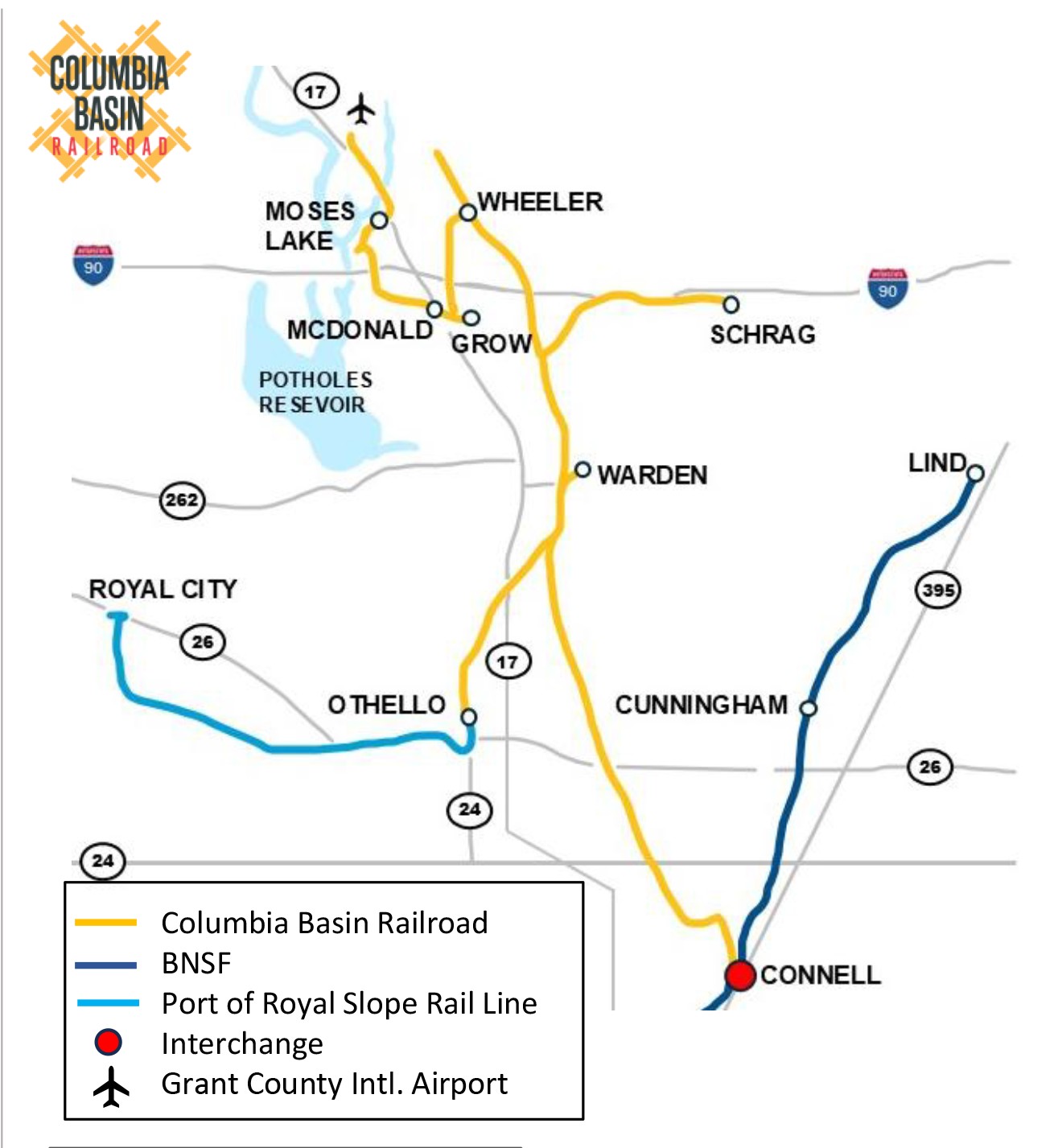
Ultimately, the project will provide freight-rail access to existing businesses, help agricultural producers expand and attract new users to the port's corridor, and re-route trains from downtown Moses Lake, creating new public access opportunities, port officials say.
And rail will return to the port. For the state, it won't just be another new rail siding, either, Miller stresses.
"The unique thing is that this will be the first new rail mainline to be built in Washington in a long time," he says.