def UP senior execs tout NS merger onboard media train tour - RailPrime | ProgressiveRailroading - Subscribe Today

UP senior execs tout NS merger onboard media train tour

11/14/2025
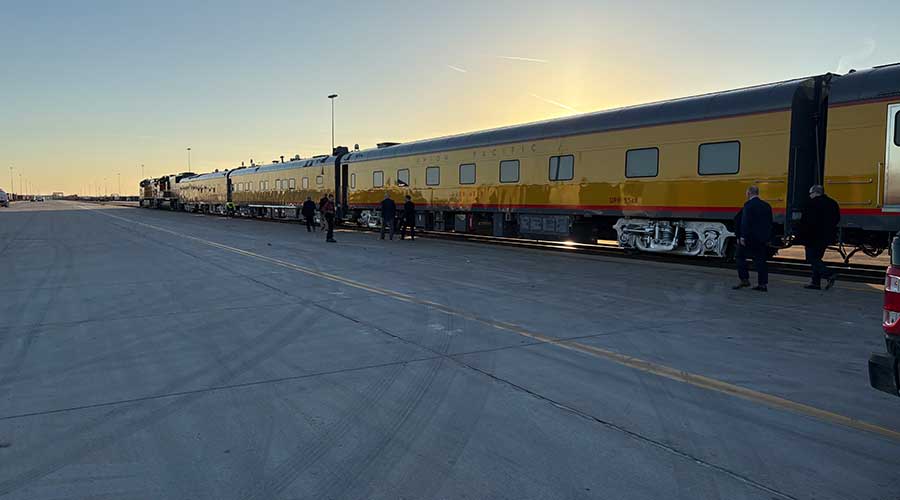
The media train rolled along for more than two hours from the Ogilvie Transportation Center in downtown Chicago to UP's Global IV intermodal terminal in Joliet, Illinois. The train pulled several of the Class I's heritage passenger cars, including the City of San Francisco dome lounge car, City of Denver diner car and Fox River inspection car, all of which were built in the 1950s. Jeff Stagl

By Jeff Stagl, Managing Editor

On Nov. 12, Union Pacific Railroad gathered its top seven senior executives and about a dozen members of the media for a special train tour that ran from Chicago to Joliet, Illinois.

Dubbed the “CEO Media Day,” the event included onboard presentations and discussions that hammered on one not-very-surprising topic: UP’s proposed merger with Norfolk Southern Railway.

The senior execs aboard the train were Jim Vena, CEO; Jennifer Hamann, executive vice president and chief financial officer; Eric Gehringer, EVP of operations; Kenny Rocker, EVP of marketing and sales; Christina Conlin, EVP, chief legal officer and corporate secretary; Rahul Jalali, EVP and chief information officer; and Josh Perkes, senior VP and chief human resources officer. The media invitees represented national, local and trade publications, including Progressive Railroading/RailPrime.

In late July, UP and NS announced a proposed merger that would involve UP acquiring NS for about $85 billion. The proposed transaction — which would create the first transcontinental railroad in the United States — must be reviewed and approved by the Surface Transportation Board (STB).

The execs on the train reiterated a plan to submit the merger application to the board in the coming weeks. The application will include many details about the merger that will help answer some lingering questions and perhaps ease some concerns related to the transaction, such as the number of trucks that could be converted to rail by the transcontinental railroad, they said.

Vena and his senior team collectively stressed how the merger would not only be good for UP (for obvious reasons), but for shippers, short lines, the rail industry at large and, ultimately, the nation. They believe the benefits the combined railroad could provide are highly convincing. Among them: faster service for customers; safer roads due to reduced truck traffic; a unified U.S. rail network that’s comparable to Canada; job guarantees for unionized workers; more effective and enhanced competition with trucks; strengthened supply chains; and cost savings for shippers.

If the transaction makes it to the finish line, STB approval included, it could close in early 2027. And the senior team is convinced the board will greenlight the merger — despite a lot of opposition voiced by a number of other railroads, shippers and various industry stakeholders — because the combined entity is needed and makes a lot of sense, they stressed.

“I’m 99.999% sure it will be approved. It’s just that 0.111% that we have to deal with,” Vena said. “We have over 1,900 letters of support. This merger is compelling.”

Following are some photos taken during the train tour and some other comments at the event. In a future item, RailPrime will share more of the commentary, and in more detail.
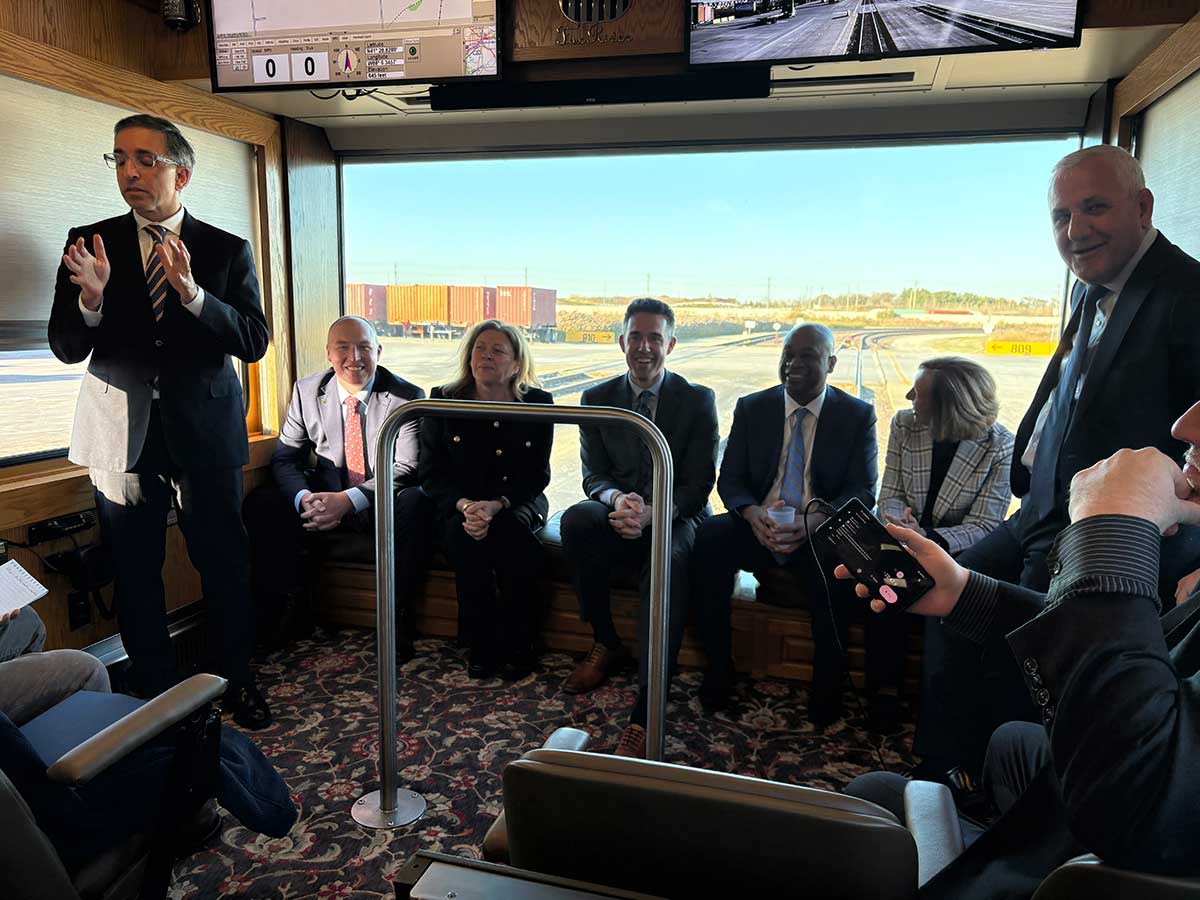
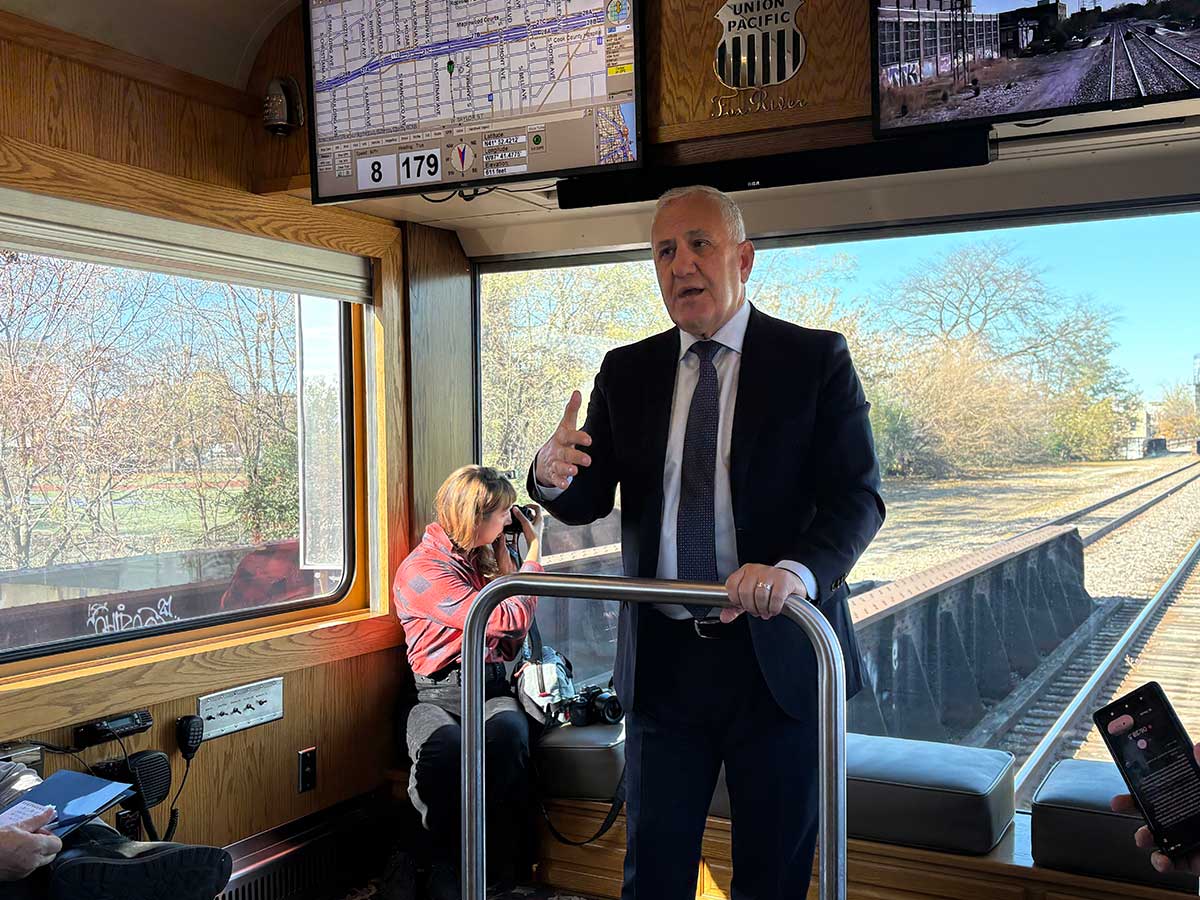
From left: Jalali, Gehringer, Conlin, Perkes, Rocker, Hamann and Vena. Near the end of the event, they banded together at the rear of a rail car to field questions. Positioned at the end of the train, the car provided picturesque views of passing scenery.
Jeff Stagl


A rail merger isn't a new idea, Vena said. Mergers have been on his mind for some time and are always considered. The decision was made to pursue the UP-NS merger because it would create something Canada already has in CN: a true transcontinental railroad, said Vena. The U.S. rail system now is disjointed and handoffs between railroads are complicated, he stressed. The new railroad could move freight more safely than trucks and provide customers more optionality.
Jeff Stagl


Shown from left: Perkes, Jalali and Hamann. Perkes talked about UP’s efforts to land new union agreements on its own, and in less than a year, instead of collectively with other railroads as was done in the past. A pact recently forged with the National Conference of Firemen and Oilers guarantees union members’ jobs if the merger occurs. Jalali discussed the importance of minding change management if UP integrates its cloud-based NetControl transportation operating system — or “the guts of Union Pacific” — with NS’ AccessNS operating platform. And Hamann described how UP’s emphasis on developing top safety, service, operations and culture is leading to success at the Class I and the merger, if approved, would unlock new opportunities to enhance service, growth and innovation.
Jeff Stagl


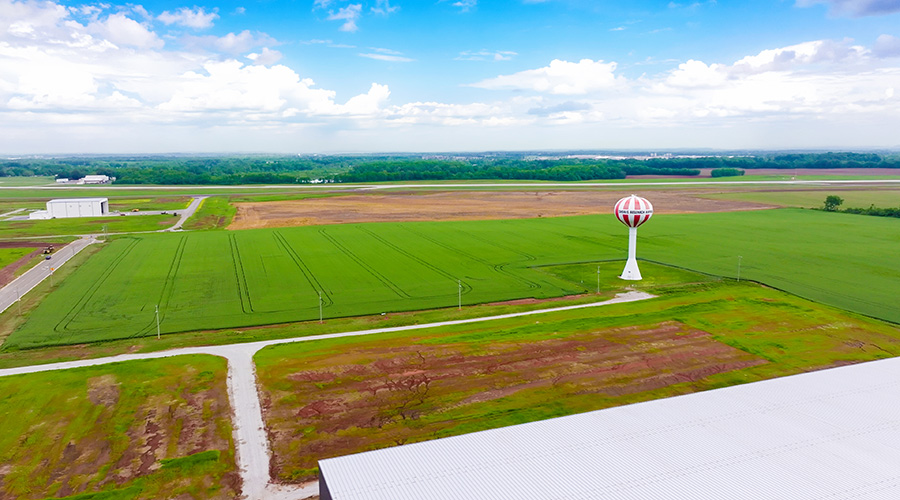
Media invitees received a tour of the Global IV intermodal facility in Joliet after the presentations ended. Opened in 2010, the 550-acre facility is the largest of five UP intermodal terminals in the Chicago area. Currently, it takes about 1,000 truck moves each day to interchange intermodal traffic between UP and NS at their facilities in greater Chicago. The merger would eliminate hundreds of those moves since the containers would flow smoothly on one railroad, Vena said.
Jeff Stagl


If the merger is completed, UP and NS would share or build off of various technologies currently employed at each Class I. The Global IV facility features UP’s automated gate technology (shown), which is designed to speed trucks into and out of the terminal. A UPGo mobile application enables truck drivers to input shipment information on a smartphone prior to arriving at Global IV.
Jeff Stagl


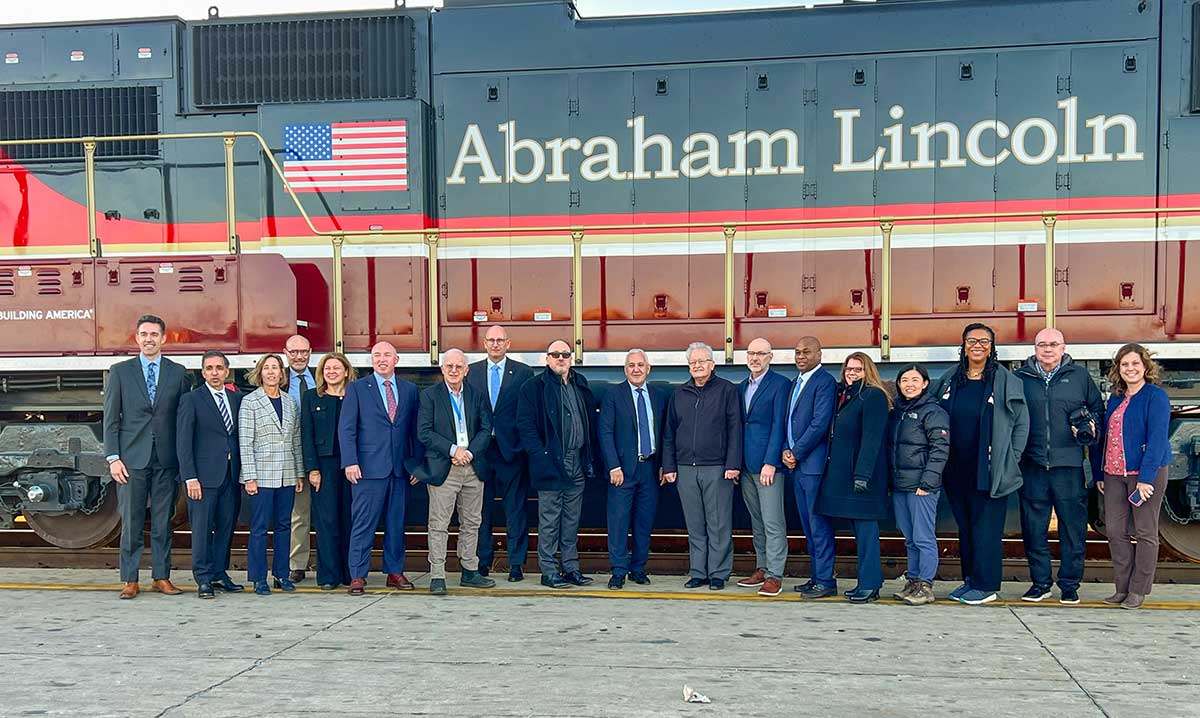
Jim Vena (in center in blue suit) poses with 17 media invitees, senior execs and UP corporate communication team members by the commemorative President Abraham Lincoln No. 1616 locomotive near the front of the train.
Union Pacific Railroad